
We didn't plan any long trips for today. Today we want to stay in our area and explore Dufftown and the surrounding area a little. We start today at a windy 12 degrees in the morning directly from Dufftown.
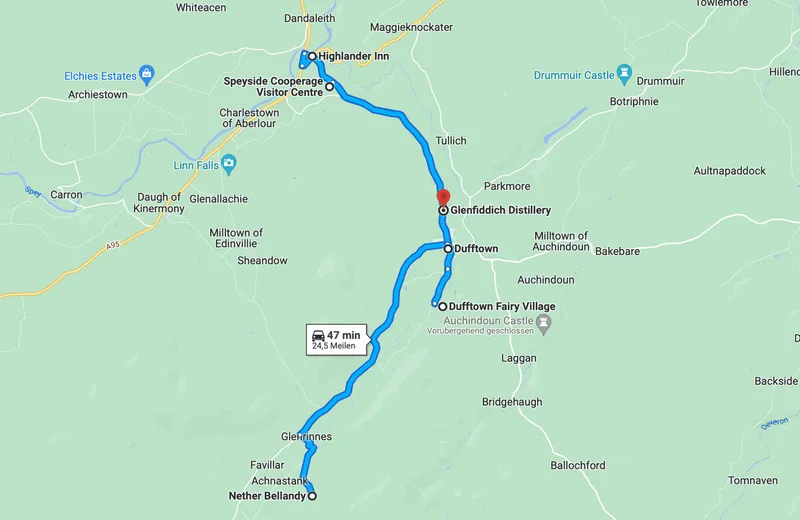
Dufftown
A small town that is our first place every day where we have cell phone reception again. 😊 This is of course a challenge for us. Not only because of the complete isolation on the farm (and yes, of course it's a very good thing), but it also makes planning for the next few days very difficult, as you usually have to book tickets online days in advance and without internet it's difficult to organize routes, weather conditions and tickets.
We park right in the center and now explore the alleys and small stores on foot. Dufftown itself doesn't have much to offer. We stroll around the area for a bit and get some nice impressions. Dufftown is only worth traveling to from another location for whiskey lovers. Above all, of course, with the Glenfiddich distillery.
Speyside Cooperation
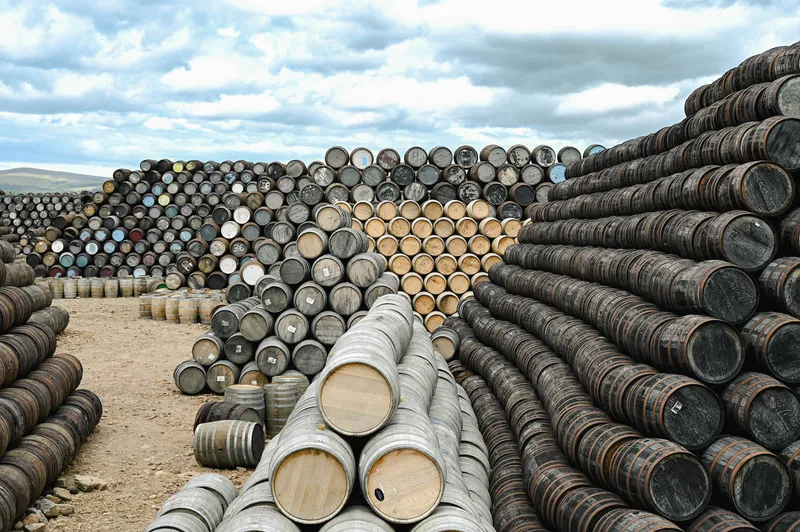
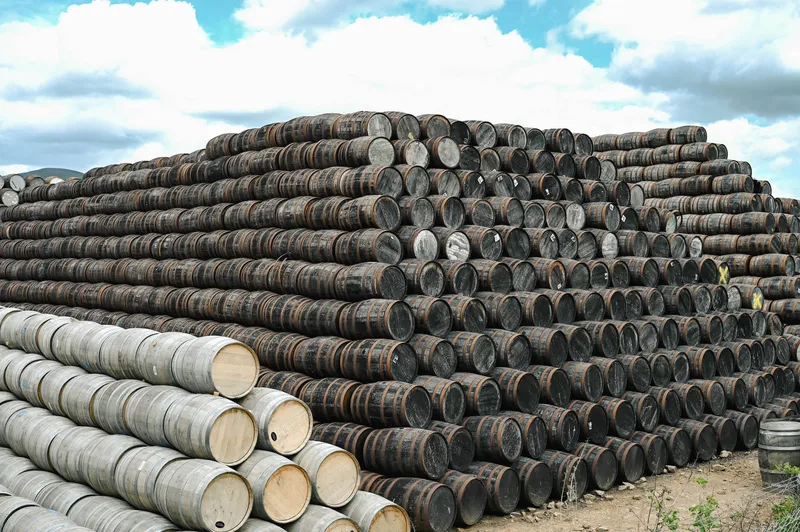
Next stop is just a few miles outside of Dufftown at the Speyside Cooperage. Here the whiskey barrels are imported such as: from America the American oak barrels, from France the cherry barrels etc... these are reassembled here, burned out and used for the Scottish whiskies. If you would like, you can also book a tour of the factory area here. However, we skipped this and, as far as possible, looked at the facility without a guided tour.
In the front area there is a nice garden with some whiskey barrel creations. The actual barrels and storage can be found in the rear area of the facility.
Dufftown Fairy Village 🧚🏼♀️
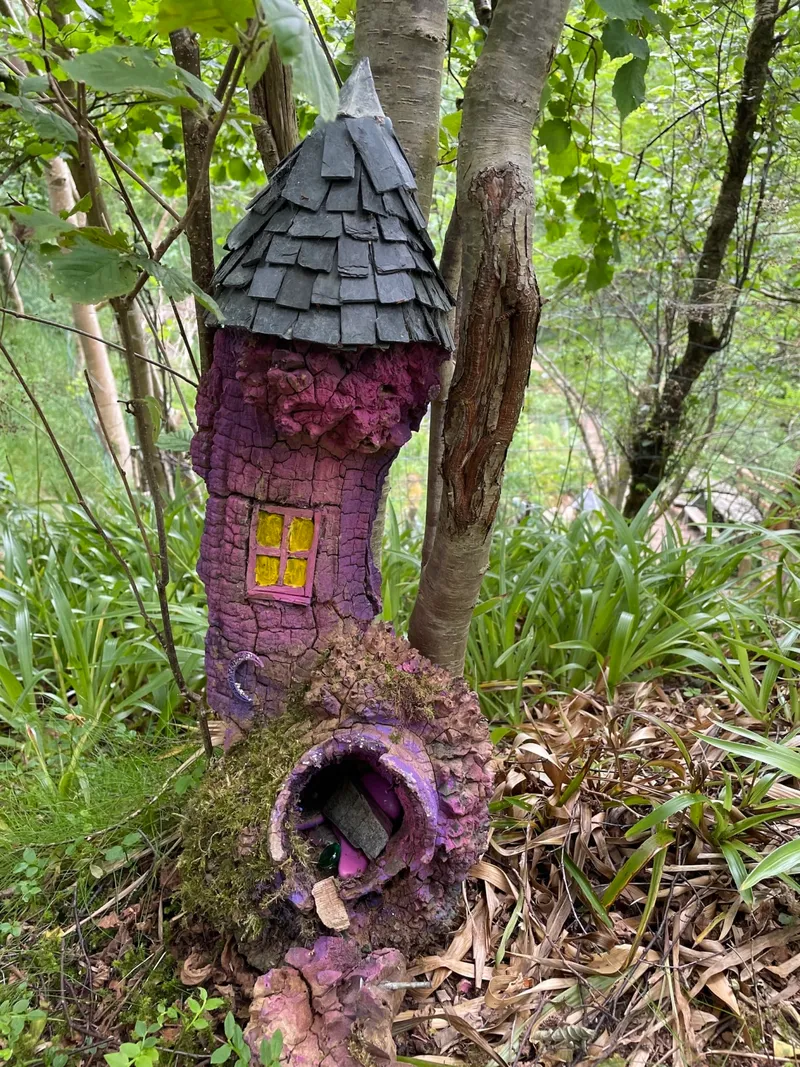
In the middle of the forest you will find the magical little Fairy Village. A little fairy village created with a lot of love. We hike along narrow paths over meadows and bridges into the forest and finally find the fairies' little houses. An exciting place for the girls, where there is a magic of its own.
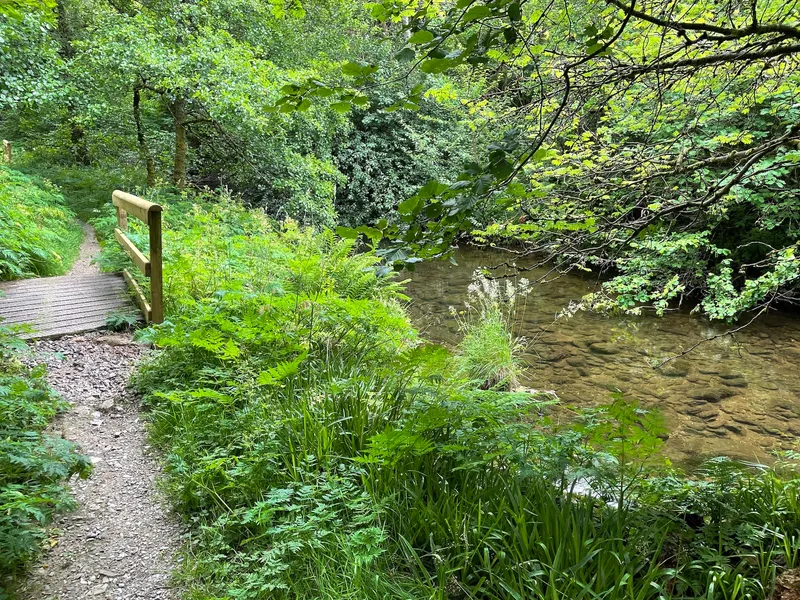
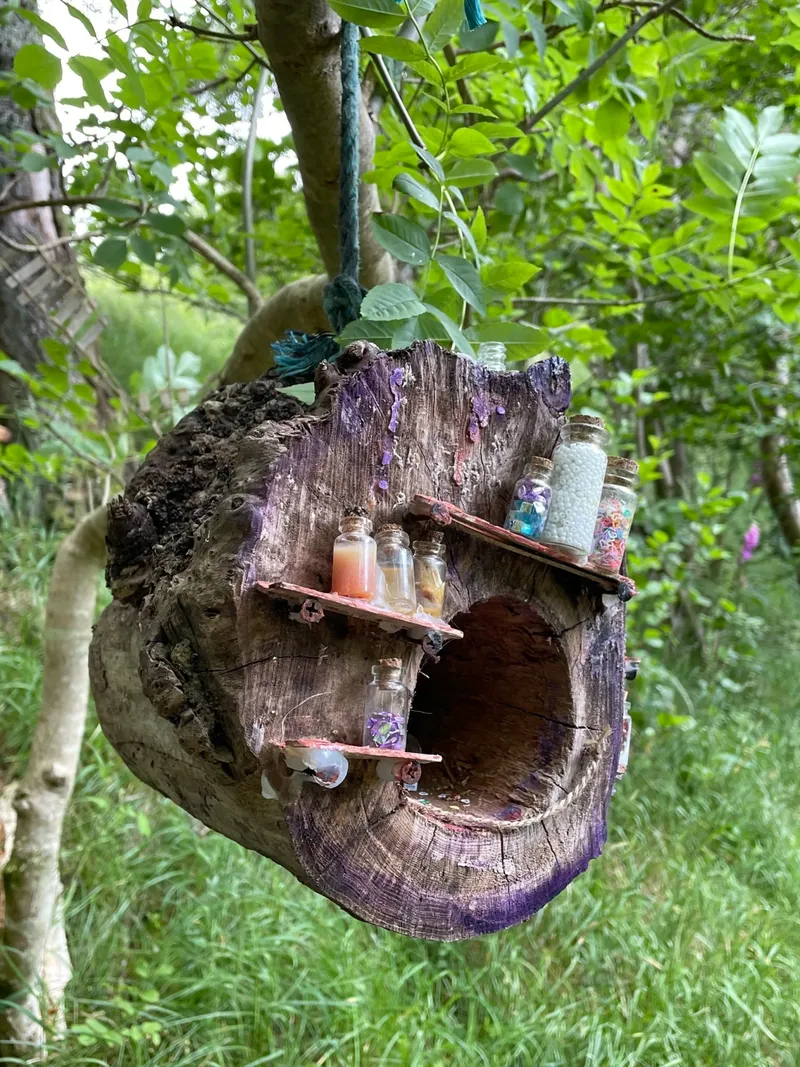
💡 Interesting facts about Fairy VillageA fairytale attraction, not just for children, is Fairy Village. It is located near the river behind Dufftown Cemetery. Simply follow the signs to “Giants Chair”. The fairy village owes its creation to Dave Brown and his daughter Elise. Inspired by a fairy village in America, craftsman Dave Brown made a small fairy house for his daughter and placed it in the forest near Dufftown, assuming no one would find it. It was found and caused a stir in the Dufftown community, especially since its origins remained anonymous for the time being.
More and more fairy houses were added until a real little village for fairies was created. A small circular path now leads through the small forest past many fairy houses made of wood and stone, some of which are lovingly and meticulously crafted by community members. In the meantime, city councilor Louise Laing has officially declared the small fairy village “Fairy Village” open. It can easily be visited at any time and costs no entry or requires any bookings. In the summer, Dave Brown still looks after the fairy village with his daughter and other family members.
Unfortunately, in 2019 there was vandalism in the small fairy village by thieves, with some fairy houses and the donation box being stolen, and many of the fairy houses being damaged. At this point, Dave Brown actually wanted to give up on the project, but the community of Dufftown had grown so fond of the Fairy Village that they didn't want to give up on it. So Dave Brown was persuaded and Village Fairy not only still exists today, but is also constantly growing with other fairy buildings, some of which are made and donated by community members.
💡 Things to know about DufftownTo the northeast in the Highlands at the confluence of the rivers Fiddich and Dullan Water is the small town of Dufftown with around 1,660 inhabitants. In the “Mortlach” district on the outskirts of the city there is one of the oldest churches in Scotland, the “Mortlach Church” from the 6th century. This and the discovery of a Pictish cross in the cemetery next to Mortlach Church make Mortlach one of the oldest Christian settlements in Scotland, which was probably settled in the early Middle Ages
On the outskirts of what is now Dufftown, “Balvenie Castle” was built at the end of the 12th century, and its lord simply named the village at the foot of the castle “Balvenie”. That changed in 1817 when James Duff, 4th Earl Fife, built accommodation there for returning soldiers and named it after himself, which gave rise to the current name “Dufftown”.
However, Dufftown's greatest fame to this day is its whiskey distilleries. Between 1823 and 1897 the following whiskey distilleries were established in Dufftown:
- 1823 Mortlach
- 1887 Glenfiddich
- 1892 Balvenie
- 1893 Convalmore
- 1895 Dufftown
- 1897 Glendullan
- 1900 Parkmore
Some of these whiskey distilleries then closed over time, but new ones were also added. Today there are 6 active whiskey distilleries in Dufftown. The production of pure alcohol from the 6 distilleries amounts to 40 million tons annually. It is estimated that around 1 million liters of whiskey are stored in the city of Dufftown, which mature into excellent single malt whiskeys in wooden barrels. For residents, Dufftown is the unofficial Scotch whiskey capital of the world, and in fact there is no city in the world with more whiskey distilleries than Dufftown, right in the heart of Speyside.
Lunch at Highlander Inn
We decided on the Highlander Inn for lunch today and we weren't disappointed. A small, fine inn with very good food and an incredibly large selection of whiskey. No, we don't drink whiskey at lunchtime, but the selection on display here is amazing. There are special bottlings to consider, which are worth tens of thousands of euros (per special edition). 😳
River Spey & Craigellache Bridge
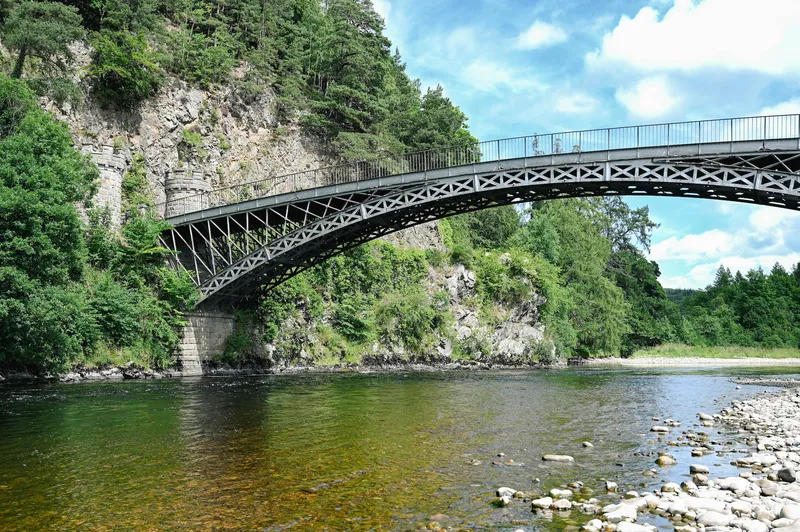
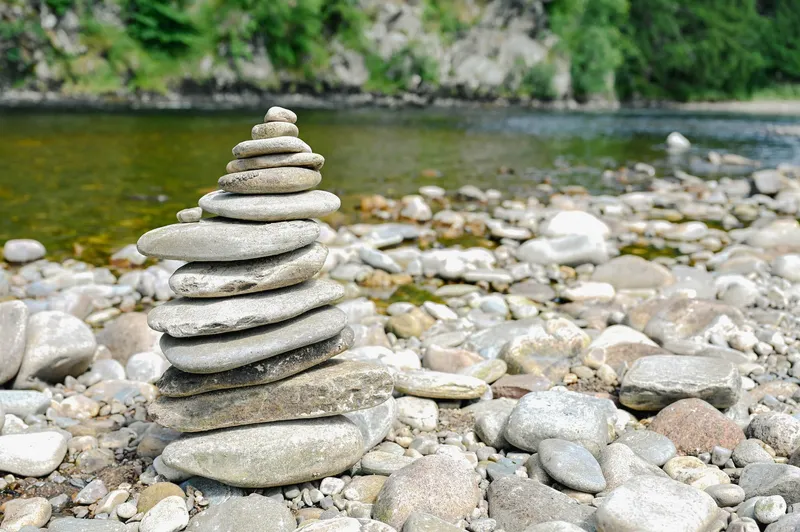
After a hearty lunch we take a detour to the River Spey. A great riverbed invites you to simply stroll along and let stones skip across the water again. We are located directly under the Craigellache Bridge and enjoy the weather, the water and the peace and quiet that this place exudes.
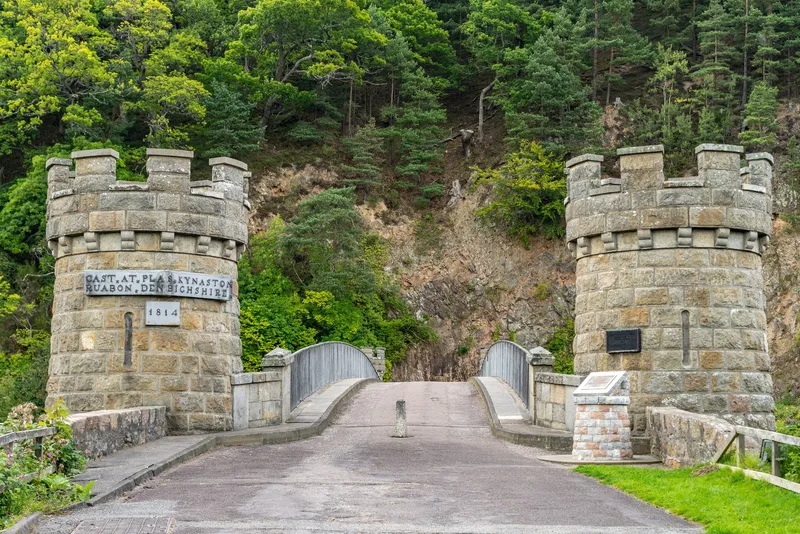
💡 Things to know about Craigellachie BridgeLocated in the town of Craigellachie, near Aberlour in Moray, Craigellachie Bridge spans the River Spey in the heart of Speyside. The bridge was built between 1812 and 1814. The Craigellachie Bridge is the earliest surviving example of a new standard portable lattice-braced type by the famous civil engineer Thomas Telford, who designed and built it in cast iron. This new bridge standard made it possible to cross wide and deep water bodies where the construction of stone bridges was not possible. This made the Craigellachie Bridge revolutionary for its time and Thomas Telford built 10 more bridges to this new standard at other river crossings. However, the Craigellachie Bridge is considered the most beautiful bridge from Telford's hand.
The construction of the bridge was made possible by the iron caster William Hazledine, who manufactured the bridge elements from particularly light but very tensile cast iron in his foundry in Plas Kynaston, Ruabon, Denbigshire, according to Telford's specifications. The largest element of the Craigellachie Bridge has a span of 46 meters.
Transporting the bridge parts to their destination on the Spey was very complex at the time. From the foundry the elements were first transported along the Ellesmere Canal to the sea. From there they had to be shipped across the sea to Speymouth. At the harbor they were then loaded onto wagons and taken to Craigellachie.
The Craigellachie Bridge carried car traffic until 1972, but then became redundant due to the reinforced concrete bridge built downstream in 1970. Nevertheless, the Craigellachie Bridge has remained in very good condition since its general overhaul in 1963 and can still be used as a tourist attraction by pedestrians and cyclists today.
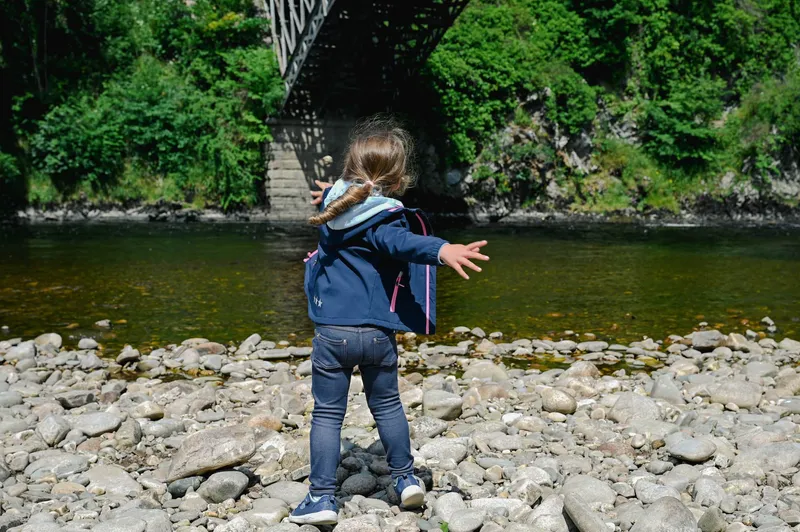
💡 Interesting facts about the River SpeyThe River Spey, from which the famous whiskey region “Speyside” takes its name, is the third longest river in Scotland after the Tay and the Clyde with a length of 172 km. The Spey rises in the inaccessible highlands in the southern part of the Monadhliath massif. The headwaters of the Spey lie in the middle of the Corrieyairack Deer Forest between Loch Ness and the A9.
At the beginning the Spey flows through the small village of Laggan and the wetland “Insh Marshes National Nature Reserve” behind it with an area of approx. 10 km2. This area belongs to the Royal Society for the Protection of Birds (RSPB) and many rare bird species can be observed there. The Spey then runs through the U-shaped “Strath Spey” valley to Loch Insh, a popular water sports area. From Loch Insh onwards, the water from the Feshie and Dulnain rivers is added, which significantly increases the water volume and flow speed of the Spey.
Due to the now larger water masses of the Spey, it was possible at the beginning of the 20th century to raft and float tree trunks from the forests of Rothiemurchus and Abernethy on the Spey. In a period of 12 hours, the tree trunks on the Spey could drift up to 80 km downstream.
The Spey passes many cities on its way, for example:
-Newtonmore
- Kingussie
-Aviemore- Grantown on Spey
- Aberlour
-Craigellachie
- Fochabers
The Spey owes its fame, among other things, to Speyside, which is considered the heartland of whiskey production. In the Moray Firth the Spey then flows into the sea and, conversely, allows salmon to swim upstream of the Spey to their spawning grounds.
Glenfiddich Distillery
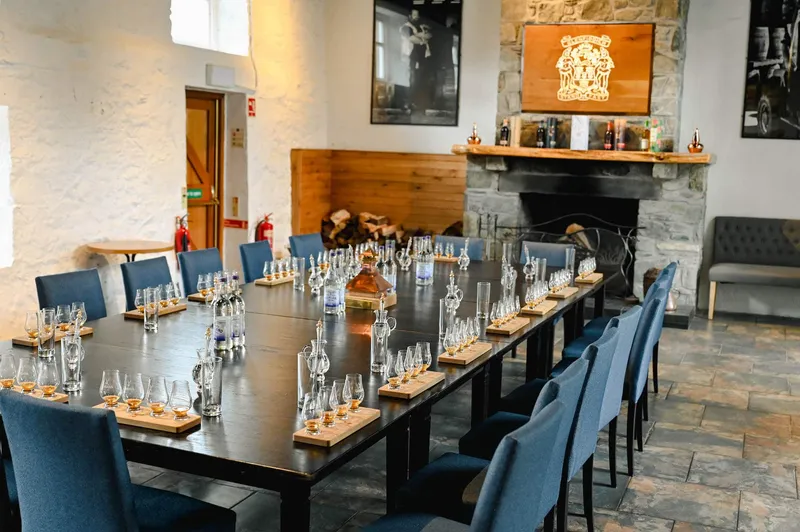
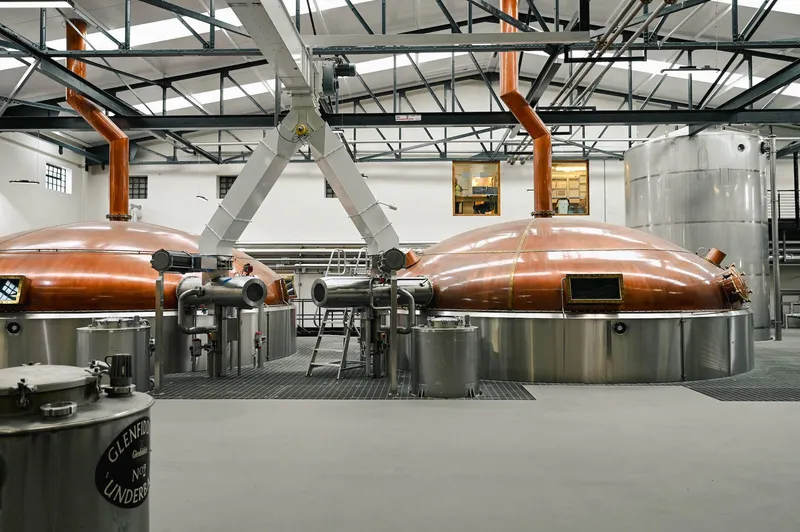
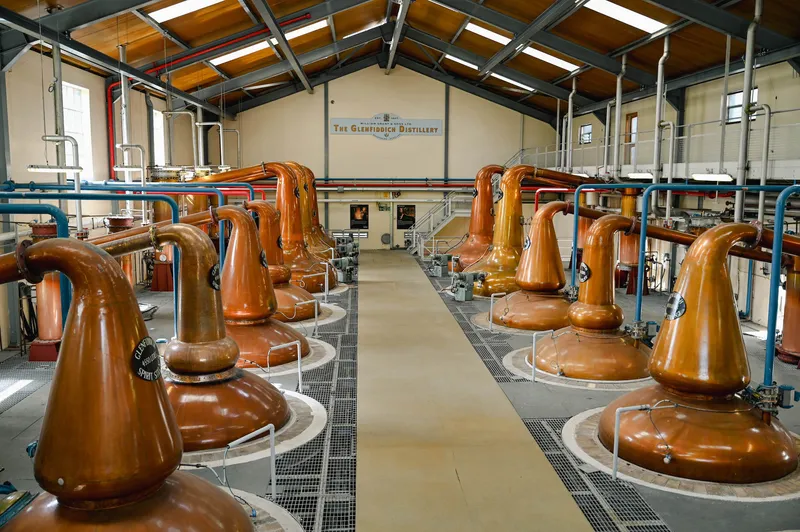
There's only one thing left on the agenda for the afternoon: the visit and tour of the Glenfiddich Distillery. It feels like we drive past around 10 distilleries or even more every day. The Glenfiddich Distillery is one of the most famous and the tours are fully booked days in advance. We organized remaining places in good time a few days ago. It's exciting to see what quantities are handled here every day. Every day 160 tons of barley are processed here for whiskey production. As with every whiskey tour, there is of course a tasting after the tour.
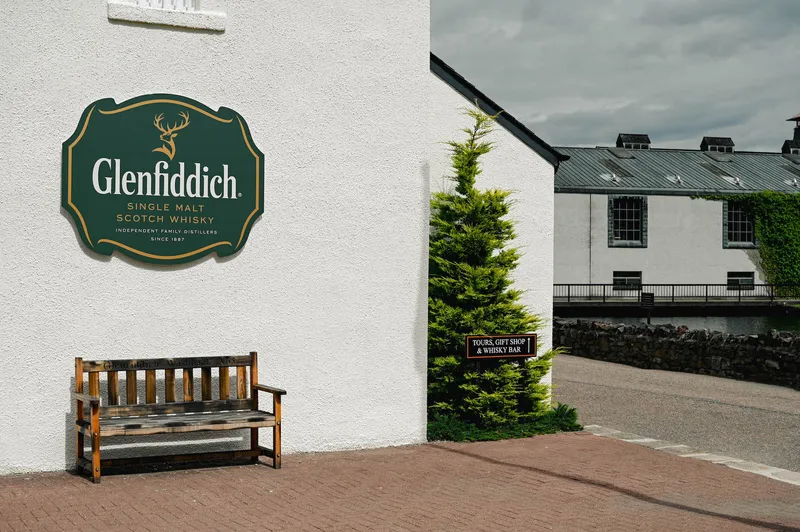
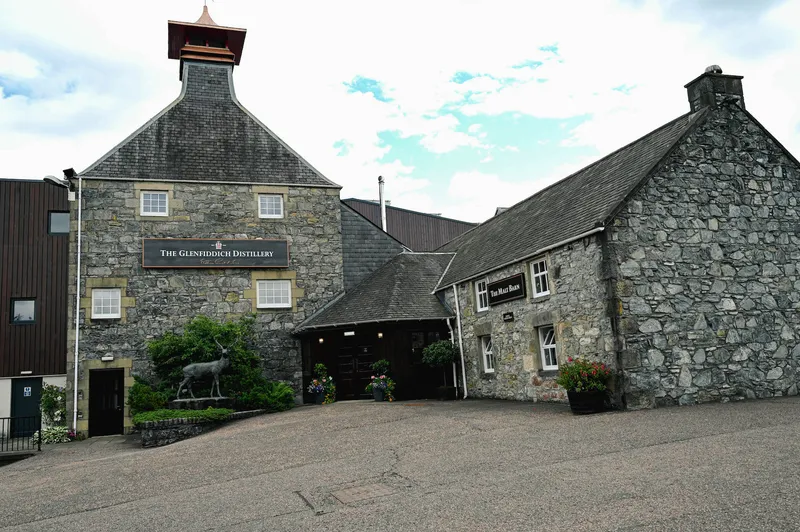
💡 Interesting facts about the Glenfiddich distilleryThe famous Glenfiddich whiskey distillery is located approximately 1 km north of the town of Dufftown in the former county of Banffshire. It is the last Scottish whiskey distillery that has been owned by the founding family since its founding (1886 by William Grant) until today. The distillery now processes around 400 tonnes of malted barley into around 40,000 liters of alcohol every day. Near the Glenfiddich distillery are the 45 warehouses to which the whiskey is then distributed. The Glenfiddich distillery has its own cooperage or coppersmith for the production of the storage barrels and the whiskey distillery is one of the few distilleries in Scotland that still carries out the bottling itself.
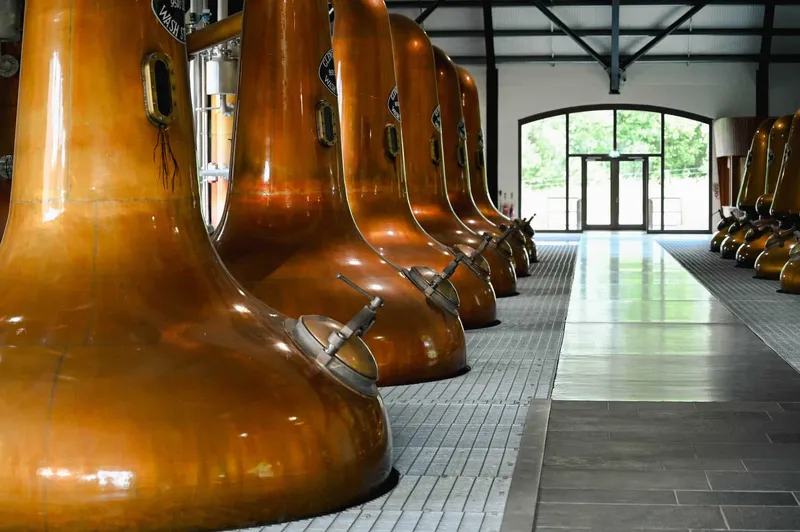
After the Glenfiddich distillery was founded in the Glenfiddich Valley in 1886 by William Grant and his family, the first production of whiskey began around Christmas 1887. To this day, whiskey is made in the same place and using the same production processes. The stills for production come from the old Cardhu distillery, which means that the Glenfiddich distillery works with one of the smallest stills in Scottish distilleries.
The Glenfiddich distillery sources the water for whiskey production from the Robbie Dubh spring. After the first successes, the Grant family bought up the entire surrounding area through which the spring flows. This ensured that no pollution, for example from established industry, was introduced into the water.
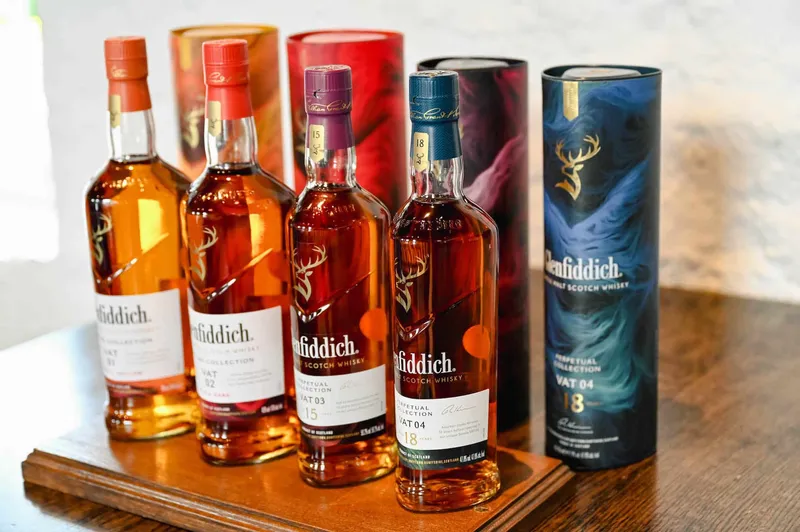
Today, Glenfiddich whiskey is available all over the world and the Glenfiddich whiskey distillery is one of the most successful and largest whiskey producers on Speyside. A typical identifying feature of Glenfiddich whiskeys is the triangular bottle shape. The whiskeys are characterized by an elegant character, subtle fruit aromas and fine woody notes. Many Glenfiddich whiskeys are among the best in the world, for example:
- Glenfiddich 12 years
- Glenfiddich 15 years
- Glenfiddich 18 years
- Glenfiddich Project XX
- Glenfiddich Fire & Can
The Glenfiddich distillery not only produced the first single malt whiskey, but was also always keen to experiment, so that new whiskey creations were constantly being created. The distillery regularly conducts tours of its distillery followed by tastings of the fine whiskeys.
Conversations along the way
Approved comments from the original article, in their original language.
[…] Pot Stills in der Glenfiddich Destillerie – mehr dazu: Unsere Glenfiddich Destillerie Tour […]